

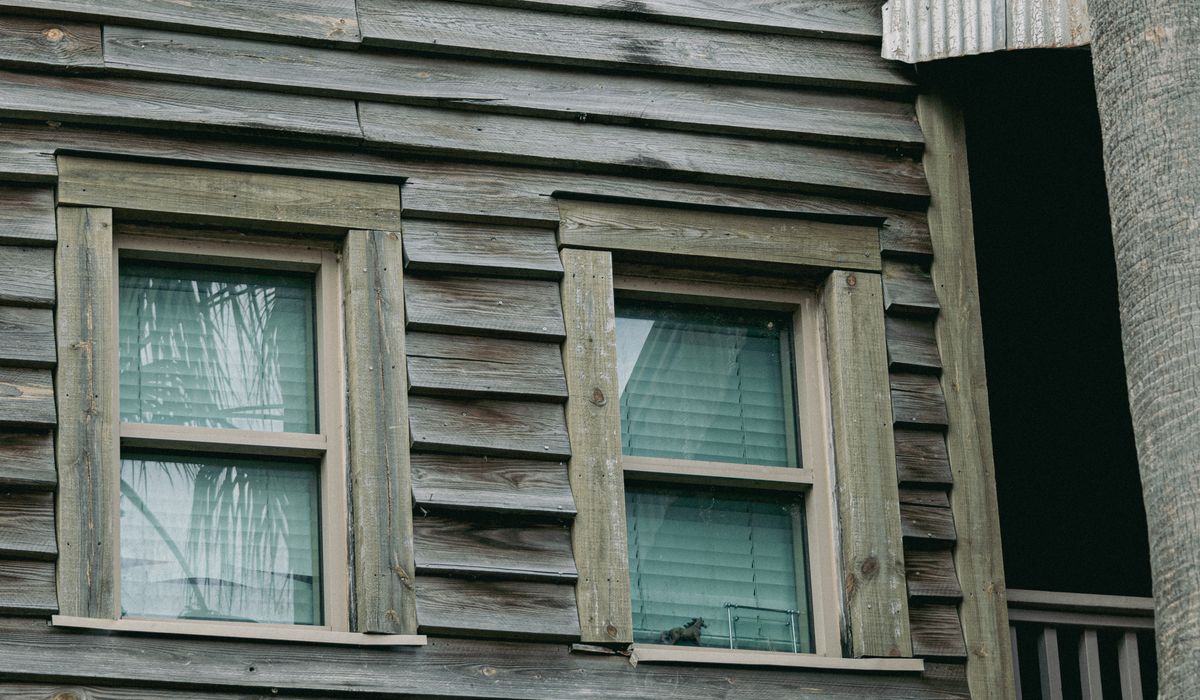
A Practical Guide To Damp-Proofing Older Waterside Homes
Why Older Waterside Homes Are Prone to Damp
There is something deeply evocative about an old cottage or townhouse sitting a stone’s throw from the tide. But those same salty breezes and estuary mists that make waterside living so atmospheric also put historic building fabrics under constant pressure. If you own a period property near the coast or beside a river, you have probably noticed tell-tale patches: crumbling plaster near skirting boards, a musty smell in a back bedroom, or windows that stream with condensation every morning.
Older homes were rarely built with a modern damp-proof course, and even where one exists, it may have been bridged or damaged over decades. The three main culprits are rising damp (ground moisture creeping up through porous brick or stone), penetrating damp (wind-driven rain and salt spray finding weak points), and condensation (warm, moist indoor air meeting cold surfaces). The good news is that you can tackle all three without ripping out the character that made you fall in love with the place.
Sort Out Drainage and Ground Levels First
Before you spend a penny on internal treatments, look outside. Most damp problems in older waterside properties start with water that has nowhere else to go. Clear gutters and repair leaking downpipes – a single overflowing hopper can soak a wall for months. Check that the ground level outside is at least 150mm below the internal floor level; if paving, soil or gravel has built up over the years, dig it back. Where possible, replace concrete aprons with permeable surfaces such as gravel, cobbles or porous resin-bound paving so rain soaks away rather than bouncing back against the brickwork.
If your property sits on a slope or has a history of surface water, a French drain – a gravel-filled trench with a perforated pipe – can intercept groundwater before it reaches the walls. Make sure it discharges to a soakaway or storm drain well away from the building. For homes with cellars or basements, consider a sump and pump system only as a last resort; they can be effective but must be installed by someone who understands historic fabrics, as they can alter the natural evaporation path of the walls.
Ventilation Is Not a Dirty Word
Historic walls are designed to breathe. They absorb moisture from the air and release it again when conditions allow. The trouble starts when we seal them up with modern gypsum plaster, vinyl wallpaper and plastic paints. Moisture gets trapped, salts crystallise, and decay follows. Instead, work with the building’s natural behaviour.
- Refurbish sash windows rather than replacing them with sealed double glazing. Slight draughts are a feature, not a fault – they provide background ventilation.
- Fit trickle vents to replacement windows or add humidity-controlled extractor fans in kitchens and bathrooms.
- Keep chimney flues vented with a cowl or air brick, even if the fireplace is unused. A blocked chimney is a condensation trap.
- Use breathable paints and lime-based plasters internally so walls can dry outwards.
- In severe cases, a positive input ventilation (PIV) unit in the loft can gently push dry air through the house, but introduce it slowly to avoid shocking old timbers.
Insulate With Breathable Materials
Adding insulation to a solid-walled period home is a delicate balancing act. Rigid foam boards and cement renders will trap moisture and cause timber to rot. Instead, choose vapour-open insulation such as wood fibre, sheep’s wool, hemp or cork. These materials allow walls to manage moisture while still improving thermal comfort. For internal walls, a wood fibre board with a lime plaster finish is an excellent choice – it buffers humidity and resists mould.
Where you have a suspended timber floor, insulate between the joists with a breathable quilt, but leave a clear ventilation gap beneath. Avoid sealing air bricks; they are there for a reason. If you are insulating a loft, use a breathable membrane under the rafters rather than non-breathable felt. The goal is to keep the building warm without cutting off its ability to dry out.
Treating Rising Damp Without Destroying Character
Not every damp patch is rising damp. Tide marks, white salt deposits and crumbling plaster may also indicate penetrating damp or a high water table. Before reaching for an injection kit, ask a surveyor who specialises in historic buildings to carry out a proper diagnosis. If rising damp is confirmed, the traditional approach – injecting a chemical DPC – can work, but it must be combined with breathable internal finishes such as lime renovating plaster. Never use cement render or tanking slurries on the inside of a solid wall; they will trap moisture and push the problem higher.
In many cases, simply lowering the external ground level, improving drainage and allowing the wall to dry naturally is enough. Salt-contaminated plaster should be removed to at least 300mm above the visible damp line, then replaced with a lime-based system. This is slow work, but it respects the building and lasts for decades.
A Maintenance Rhythm for Coastal Living
Waterside homes need a little more attention than inland ones, but the routine is simple. After every storm, check gutters, downpipes and roof flashings. Wash salt spray off windows and painted surfaces before it etches. Keep a log of damp patches and their size – a small increase after a wet winter tells you where to focus next. Talk to neighbours who have lived there longer; local knowledge about prevailing winds, tidal surges and historic repairs is priceless.
Most importantly, resist the urge to modernise everything at once. Older buildings adapt slowly. By prioritising drainage, ventilation and breathable insulation, you can enjoy a dry, comfortable home that still wears its history proudly – salt air, uneven floors and all.


Coastal Interiors
-
Coastal surveys reveal problems inland buyers miss. Check for corrosion, flood history, cliff erosion and drainage before committing to a seaside purchase.


Property




-

Long established fact that a reader will be distracted
-

Long established fact that a reader will be distracted
-

Long established fact that a reader will be distracted


Renovations
Karla Gleichauf
12 May 2017 at 05:28 pm
On the other hand, we denounce with righteous indignation and dislike men who are so beguiled and demoralized by the charms of pleasure of the moment
M Shyamalan
12 May 2017 at 05:28 pm
On the other hand, we denounce with righteous indignation and dislike men who are so beguiled and demoralized by the charms of pleasure of the moment
Liz Montano
12 May 2017 at 05:28 pm
On the other hand, we denounce with righteous indignation and dislike men who are so beguiled and demoralized by the charms of pleasure of the moment