

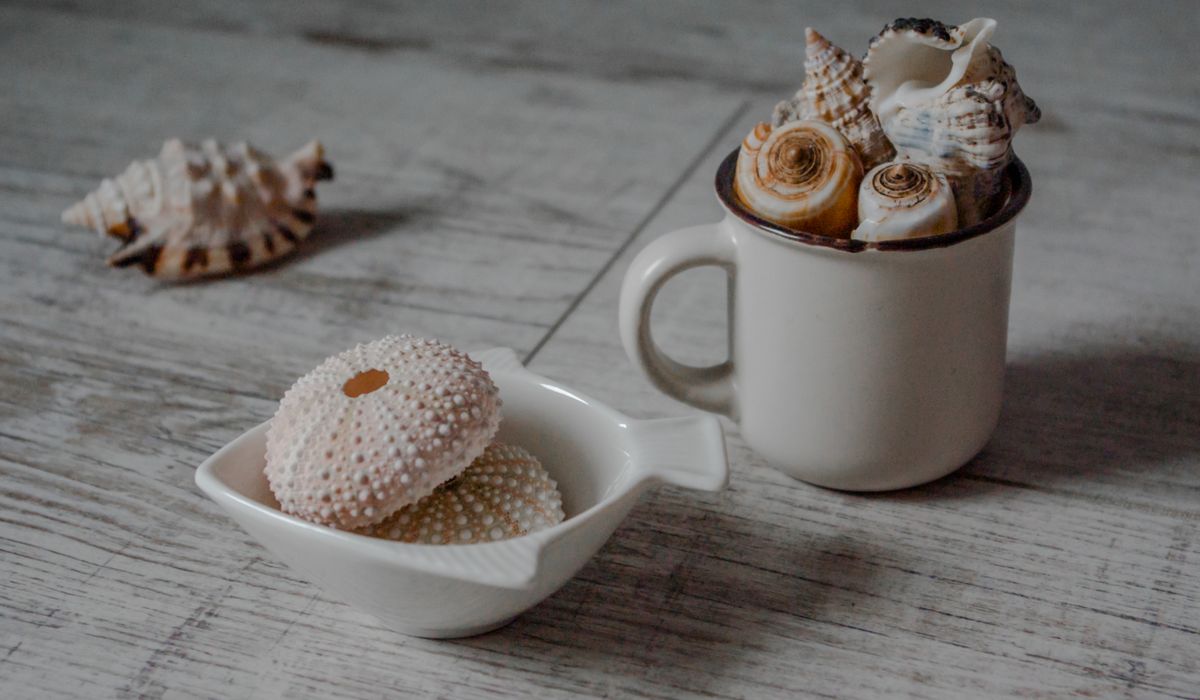
Growing Herbs In Salty Coastal Garden Containers
Why Coastal Gardens Ask More Of Your Herbs
Living beside the sea is a privilege, but it comes with a particular set of growing conditions that few gardening books written inland ever quite capture. Salt is the first challenge. Airborne salt crystals settle on leaves and in the surface of compost, drawing moisture out of plant tissue and leaving foliage scorched and brittle after a gale. On truly exposed stretches of coast, that salt can travel a surprising distance inland, so even a garden a few streets back from the promenade will feel it.
Wind is the second. Coastal breezes are constant rather than occasional, and they do two things at once: they dry compost far faster than you would expect, and they physically batter soft growth. A herb that looks lush in a sheltered nursery bed can be shredded within a fortnight on a windy balcony. Add the fact that containers hold a limited reservoir of water, and you have a growing environment that rewards a bit of planning.
The compensating advantages are real, though. Light levels are high, humidity is often moderate, and in many coastal districts hard frosts are rarer than inland. That means Mediterranean herbs, which sulk in cold, wet clay, frequently do better by the sea than they ever would in a Midlands garden.
The Herbs That Earn Their Place
Start with the tough, woody, silver-leaved sorts. Their foliage is physically adapted to dry, bright, breezy conditions, and their oils are concentrated by the stress rather than diminished.
- Rosemary — the single best coastal container herb. Upright forms cope with wind better than prostrate ones, and it will shrug off salt spray that would ruin basil overnight.
- Thyme — including common thyme, lemon thyme and the creeping varieties that will spill over a pot edge. Excellent drainage is the only thing it truly insists on.
- Sage — purple and tri-colour forms are marginally less hardy but wonderfully drought-tolerant. Purple sage in particular looks superb against weathered timber and stone.
- Winter savory — an old kitchen favourite, now underused, with a peppery flavour and a constitution built for exposed sites.
- Oregano and marjoram — happiest in a warm, south-facing corner where the pot can bake a little.
- Hyssop and lavender — not strictly culinary, but invaluable for structure, scent and bees.
Be realistic about the tender, soft-leaved herbs. Basil, coriander and parsley will grow, but they need a genuinely sheltered courtyard or a windowsill, and basil in particular resents cold wind more than almost anything else.
Compost, Drainage And The Grit Question
Free drainage matters more on the coast than almost anywhere else, because a plant already stressed by wind and salt has no reserves to fight root rot. Mix a good peat-free multipurpose compost with horticultural grit at roughly three parts compost to one part grit. For rosemary, thyme and sage you can go as far as half and half.
Avoid water-retaining gels and heavily enriched composts. Rich compost pushes soft, sappy growth that winds tear apart and that produces herbs with diluted flavour. If you are reusing pots, always start with fresh compost — salt accumulates in old material, and so do vine weevil larvae.
Top-dress each pot with a centimetre of grit or small gravel. This does three jobs: it stops compost splashing onto leaves during rain, keeps the base of the stems dry, and suppresses weeds that would otherwise compete for the little water available.
Pots, Weight And Windbreaks
Choose heavy containers. Terracotta and glazed stoneware hold their ground; lightweight plastic will be over on its side after the first autumn storm unless it is ballasted. Whatever you use, stand pots on feet so water can escape freely, and check that saucers are emptied rather than left to fill.
Positioning is half the battle. A south- or west-facing wall gives warmth and radiant heat, and it creates a pocket of calmer air. Group your pots closely together — plants shelter one another, and the mass of compost and foliage helps hold humidity around the roots.
For a windbreak, think permeable rather than solid. A hazel hurdle, slatted screen or open trellis filters wind and reduces its speed without creating the violent turbulence that a solid panel produces behind it. A solid fence is often worse than no barrier at all.
Watering, Feeding And Rinsing The Salt Away
Water deeply and less often, letting the top inch dry between sessions. Shallow daily watering encourages weak surface roots. In windy weather, check pots morning and evening — a breezy July day can dry a terracotta pot faster than a still August one.
After a gale, take a watering can of fresh water and rinse the foliage thoroughly. This simple habit removes salt deposits before they scorch, and it takes two minutes. Do it in the evening so leaves dry slowly rather than evaporating under strong sun.
Feed lightly. A weak liquid seaweed or comfrey feed once a fortnight through the growing season is ample; more than that and you will grow handsome plants with disappointing flavour. Stop feeding by late August so growth firms up before winter.
Winter Care And A Little Local Colour
Coastal winters are milder but wetter, and it is the wet that kills Mediterranean herbs rather than the cold. Raise pots onto bricks to keep them clear of standing water, move the most tender into a cold porch or against a sheltered wall, and resist the urge to prune hard in autumn. Rosemary and sage are best trimmed lightly after flowering in late spring, never in cold weather, when open wounds invite dieback.
There is something quietly satisfying about all this, and it connects you to a long coastal tradition. Rosemary by the cottage door, thyme along the cliff path, sage in a pot on a harbour wall — these have been the seaside kitchen garden for centuries, tended by fishing families who knew exactly which plants could stand the salt. Grow them in containers, shelter them sensibly, and you are simply carrying on a very old local habit.


Coastal Interiors
-
Mooring a small yacht requires preparation, communication and calm conditions. Learn about fenders, warps, spring lines and how to approach a berth safely.


Property




-

Long established fact that a reader will be distracted
-

Long established fact that a reader will be distracted
-

Long established fact that a reader will be distracted


Renovations
Karla Gleichauf
12 May 2017 at 05:28 pm
On the other hand, we denounce with righteous indignation and dislike men who are so beguiled and demoralized by the charms of pleasure of the moment
M Shyamalan
12 May 2017 at 05:28 pm
On the other hand, we denounce with righteous indignation and dislike men who are so beguiled and demoralized by the charms of pleasure of the moment
Liz Montano
12 May 2017 at 05:28 pm
On the other hand, we denounce with righteous indignation and dislike men who are so beguiled and demoralized by the charms of pleasure of the moment